
Invisalign First in Abu Dhabi: Creating Space for a Growing Smile
When adult teeth start coming through, there is not always enough room for them to line up well. Teeth may overlap, turn or sit further forward than they should.
This young patient came to see me because his upper front teeth were noticeably pushed forward. He also had crowding in both arches and a developing Class II bite.
Over almost two years, we used Invisalign First to create space, improve alignment and guide the bite. Because his teeth were still erupting, treatment included two refinement stages to adapt the aligners as his smile developed. Class II elastics also helped improve the relationship between the upper and lower teeth.
The case at a glance
| Case details | |
|---|---|
| Age at the start | 11 years old |
| Main concerns | Crowding, prominent upper front teeth and increased overjet |
| Treatment | Invisalign First clear aligners with Class II elastics |
| Treatment time | Almost two years, including two refinement stages |
| Result | Straighter teeth, improved bite and a more even smile |
| Retention | Fixed retainers behind the upper and lower front teeth |
The problem
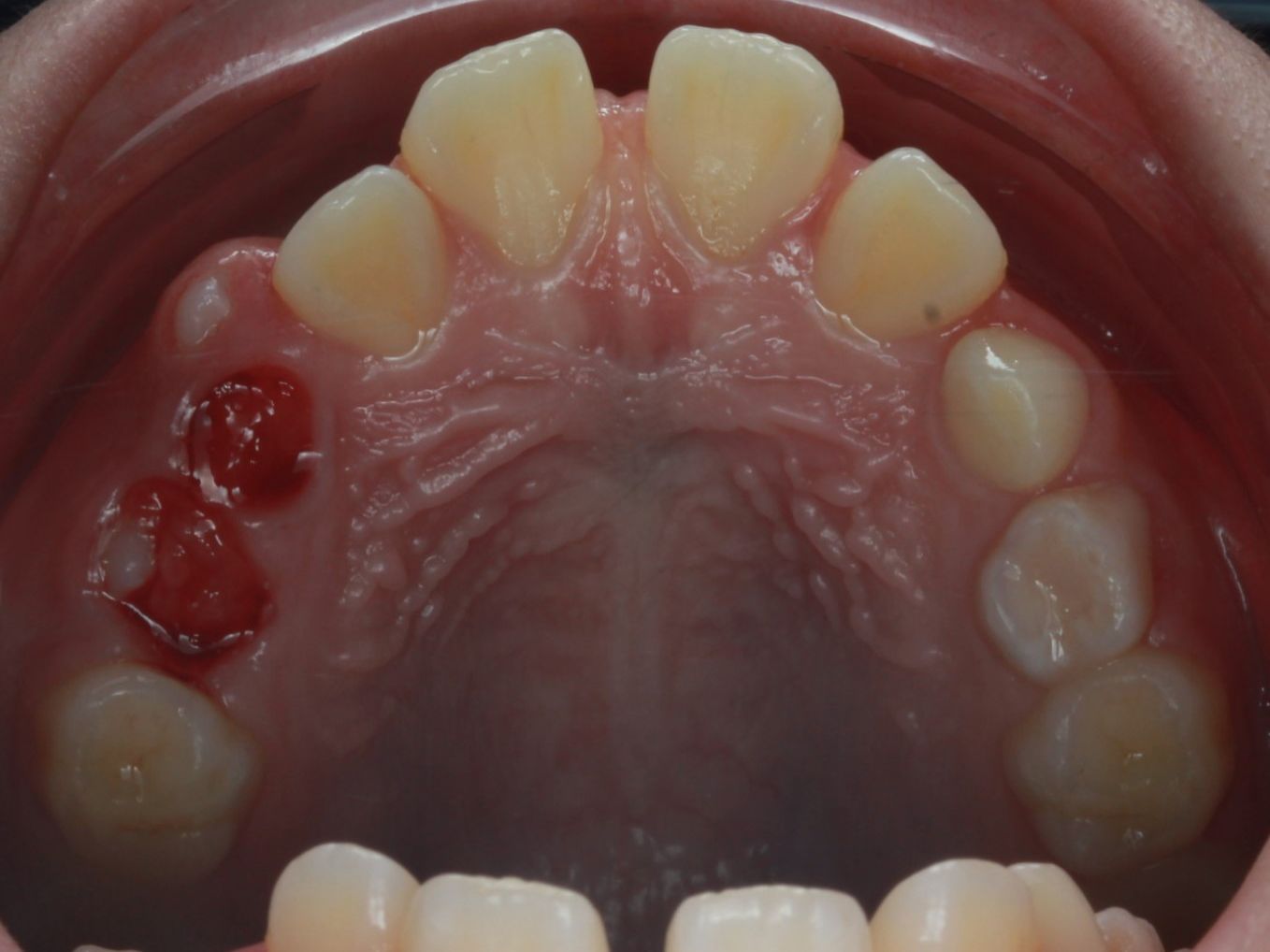
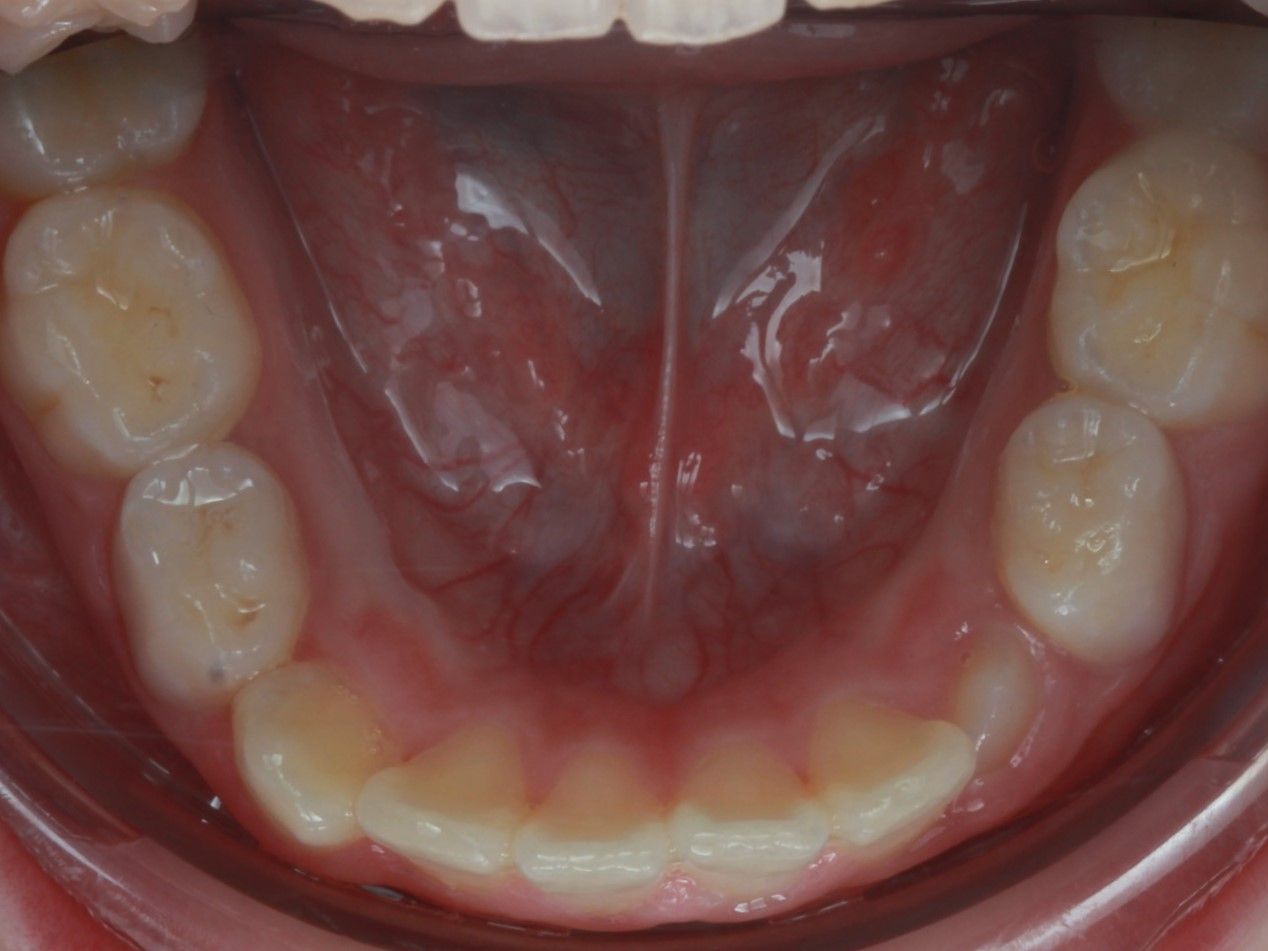
At his first visit, he still had a mix of baby and adult teeth. The upper front teeth were prominent, and there was crowding in both arches. His bite was also developing into a mild Class II relationship, with the upper teeth positioned ahead of their ideal position.
The main factors we needed to consider were:
- Limited space for the developing adult teeth.
- Crowding in the upper and lower arches.
- Upper front teeth that sat too far forward.
- A bite that needed better coordination.
- Teeth that were still erupting and would require monitoring.
Two upper-left baby teeth had already been removed before active aligner treatment, so the space in that area also needed to be managed carefully.
Before treatment
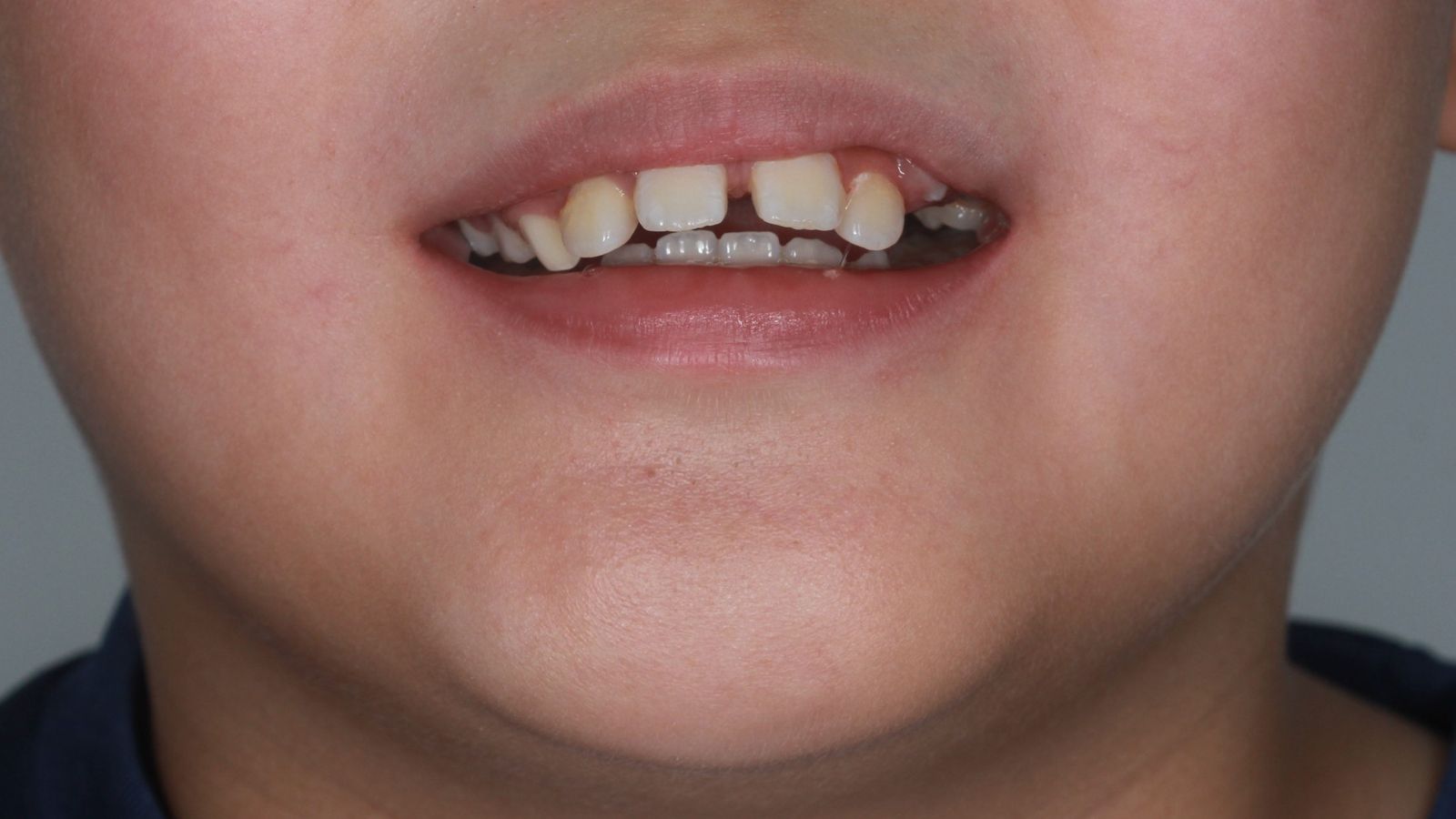
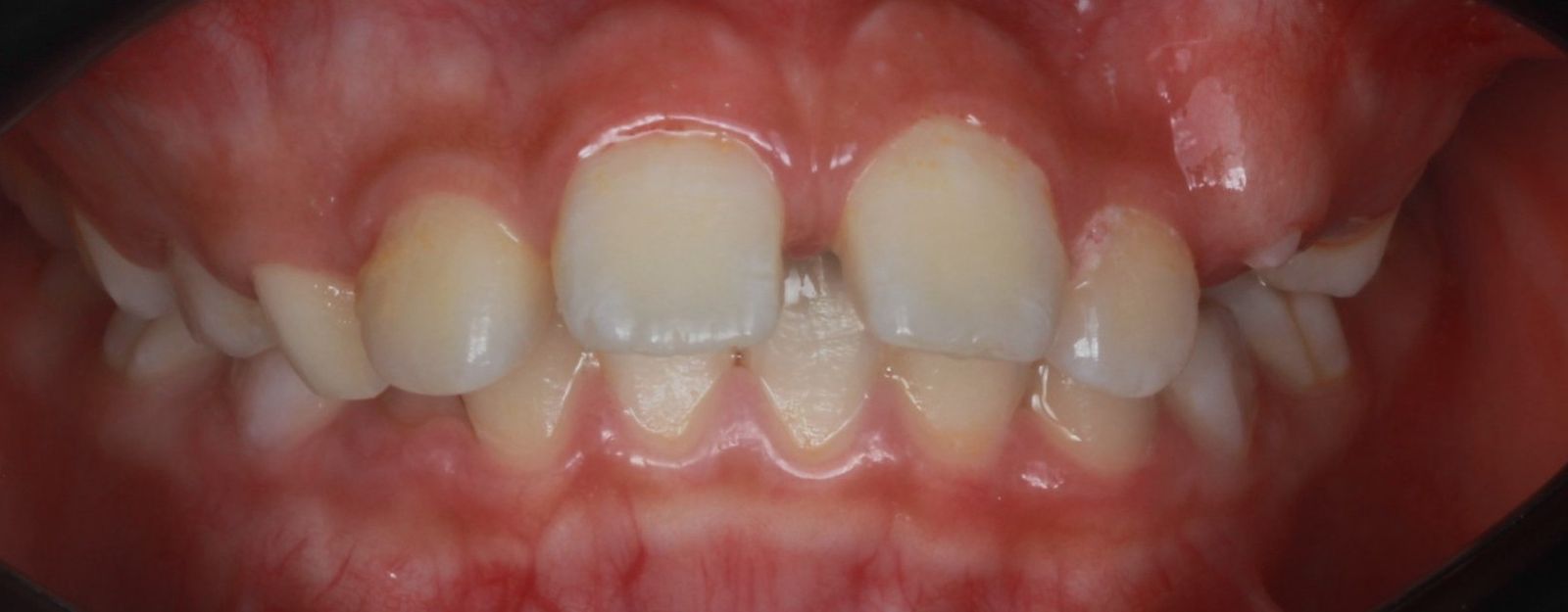
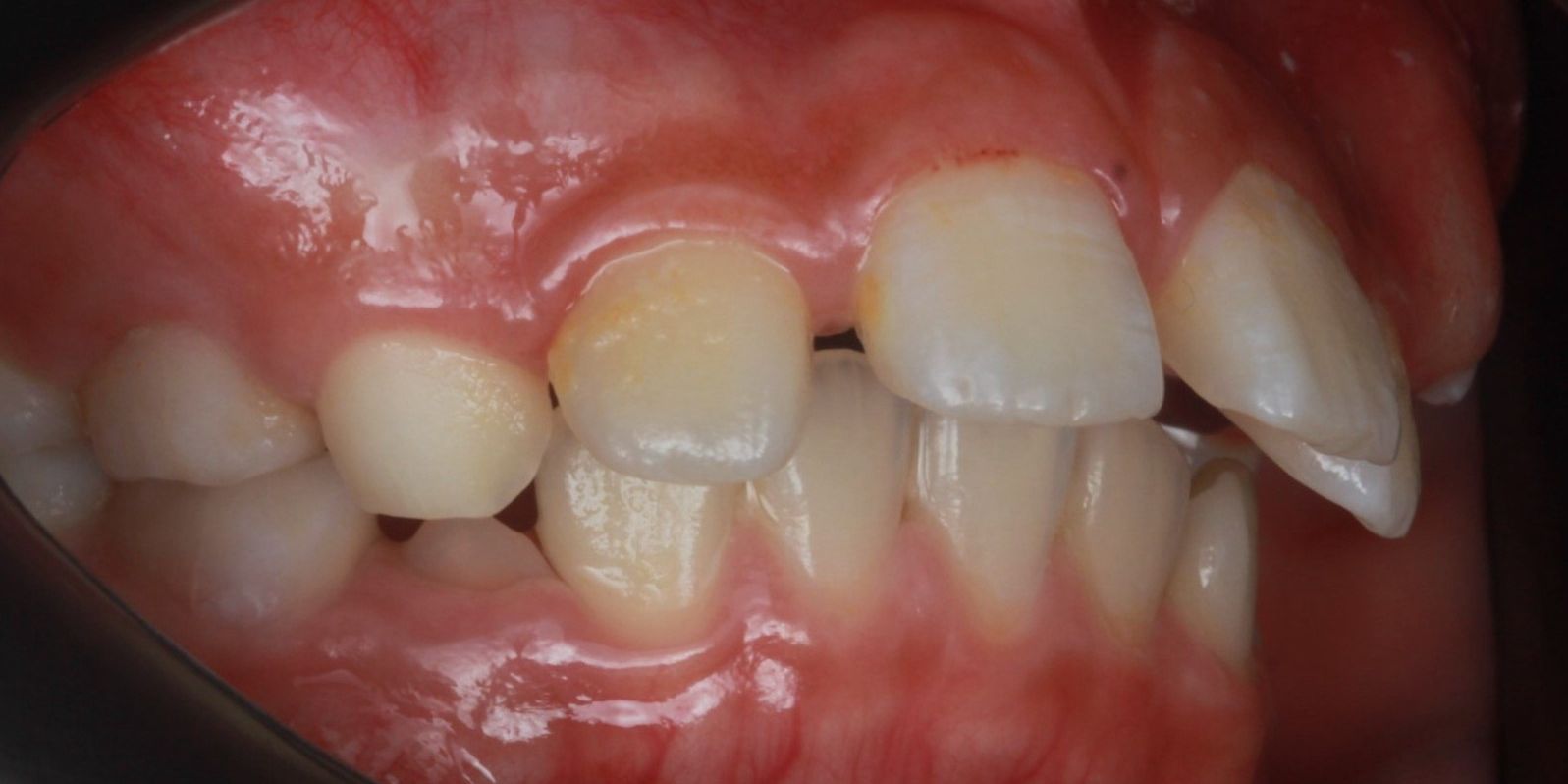
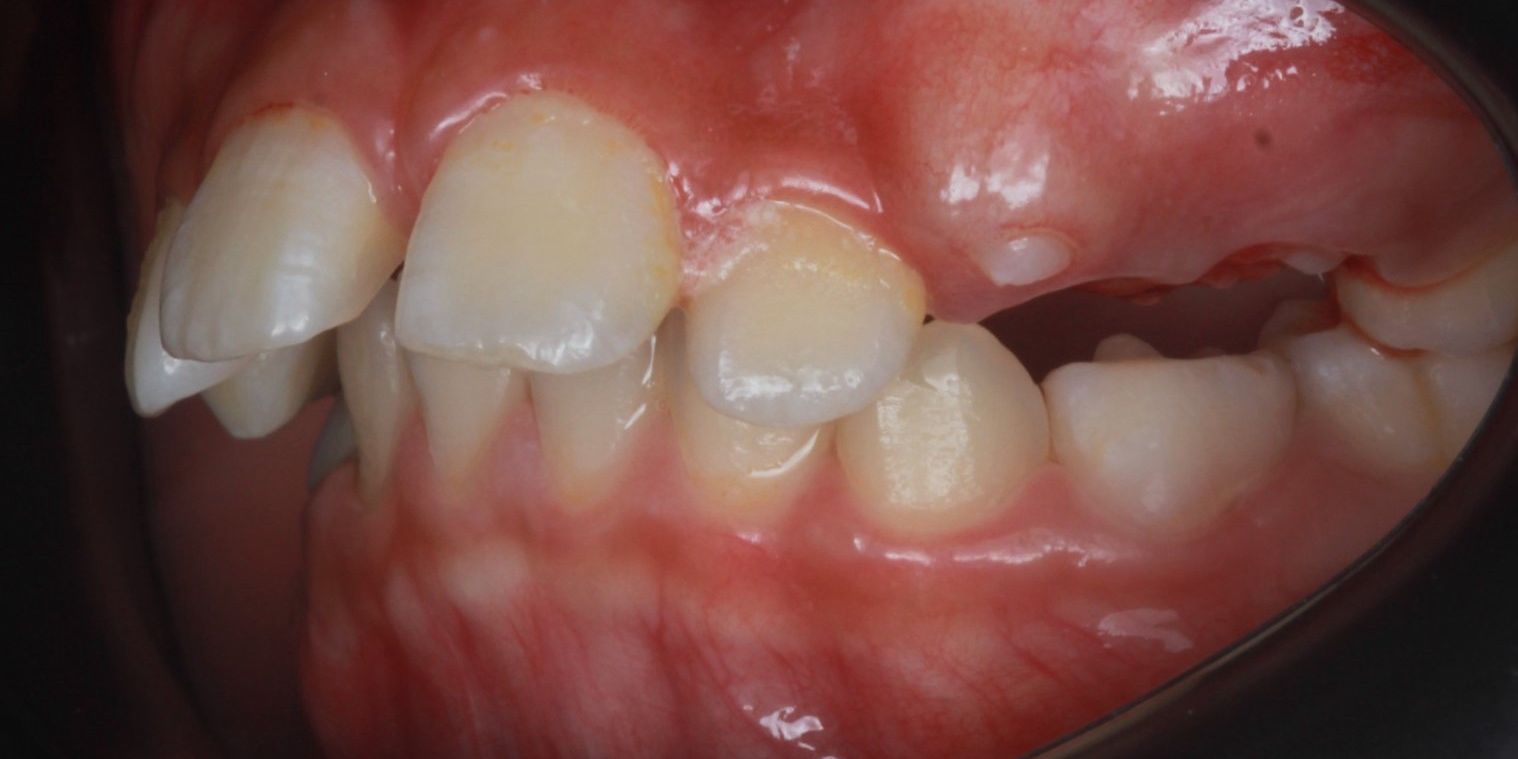
The treatment plan
We planned Invisalign First to guide the teeth in small, controlled stages while allowing for continued eruption.
The treatment focused on:
- Creating space for the adult teeth.
- Improving alignment in both arches.
- Bringing the upper front teeth into a more favourable position.
- Coordinating the upper and lower teeth.
- Developing smoother, more balanced arch shapes.
- Updating the aligners as the remaining teeth erupted.
Class II elastics were included to help guide the bite. We also anticipated that refinement stages might be needed because his smile was still changing.
Almost two years of Invisalign First
Treatment took almost two years.
The aligners gradually guided the upper and lower teeth, while the elastics helped improve the relationship between the arches. Two refinement stages were completed as additional teeth erupted, allowing us to update the aligners and continue treatment accurately.
This flexibility is particularly important when treating a growing child. The plan needs to respond to dental development rather than follow a fixed sequence that does not account for change.
The result
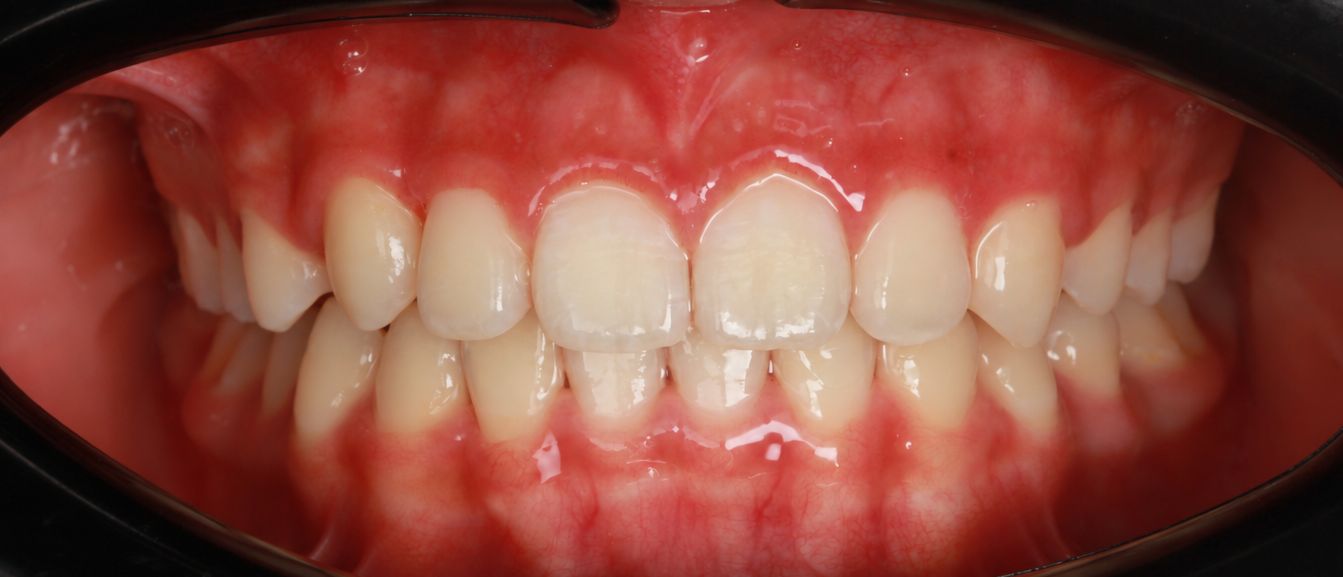
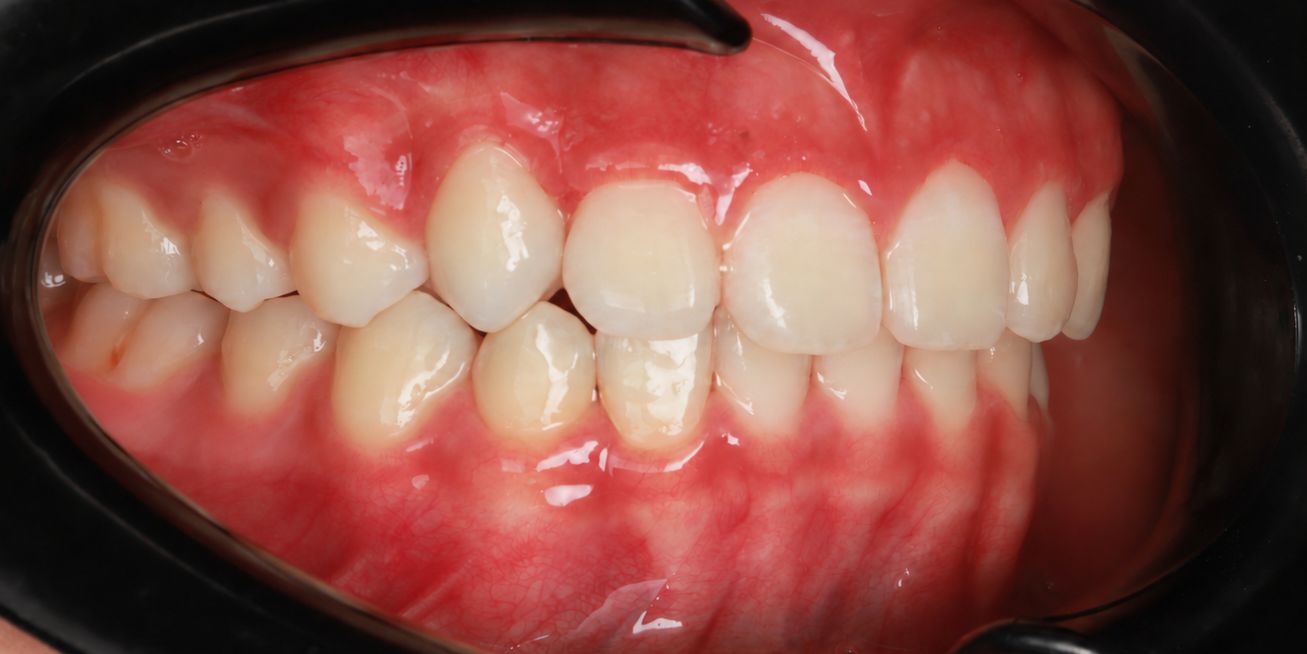
The before-and-after photos show a clear improvement in the alignment of both arches.
The upper front teeth are no longer as prominent and now sit more evenly together. The lower front teeth follow a smoother curve, and the bite is better coordinated.
The main changes were:
- Reduced crowding in the upper and lower arches.
- Improved position of the prominent upper front teeth.
- More even alignment of the front teeth.
- Better coordination between the upper and lower arches.
- Improved relationship between the front and back teeth.
- A more balanced smile overall.
After treatment
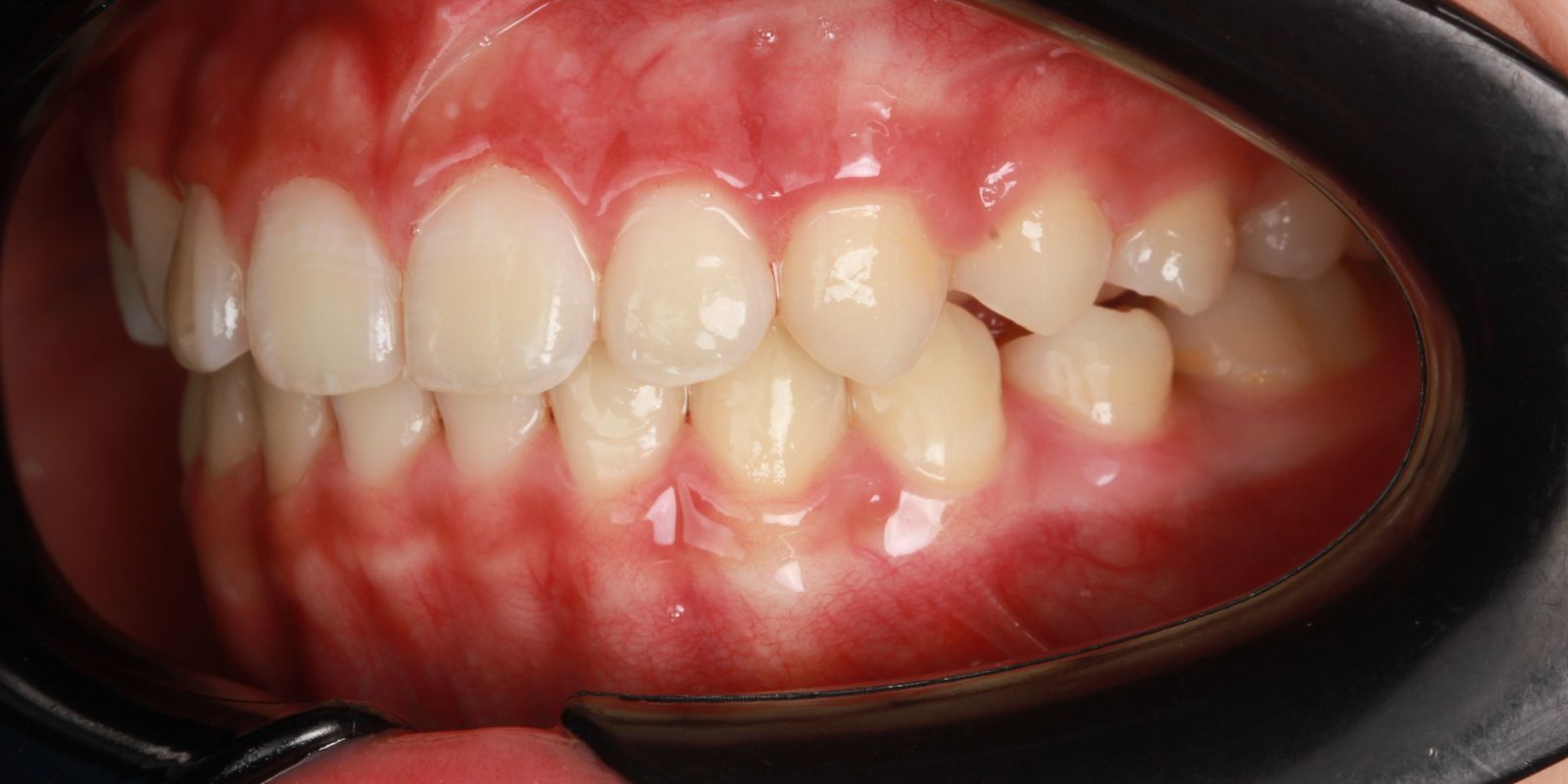
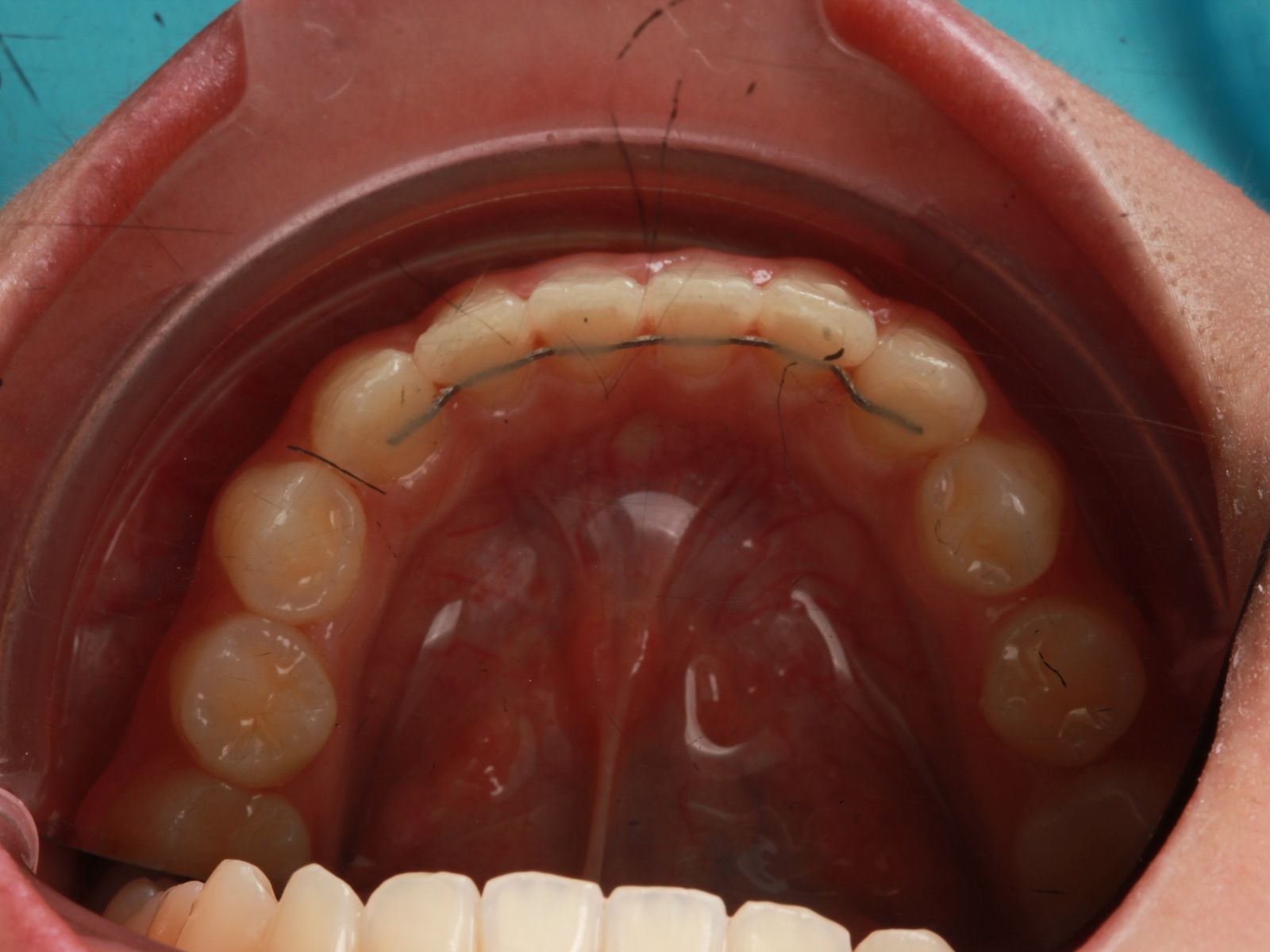
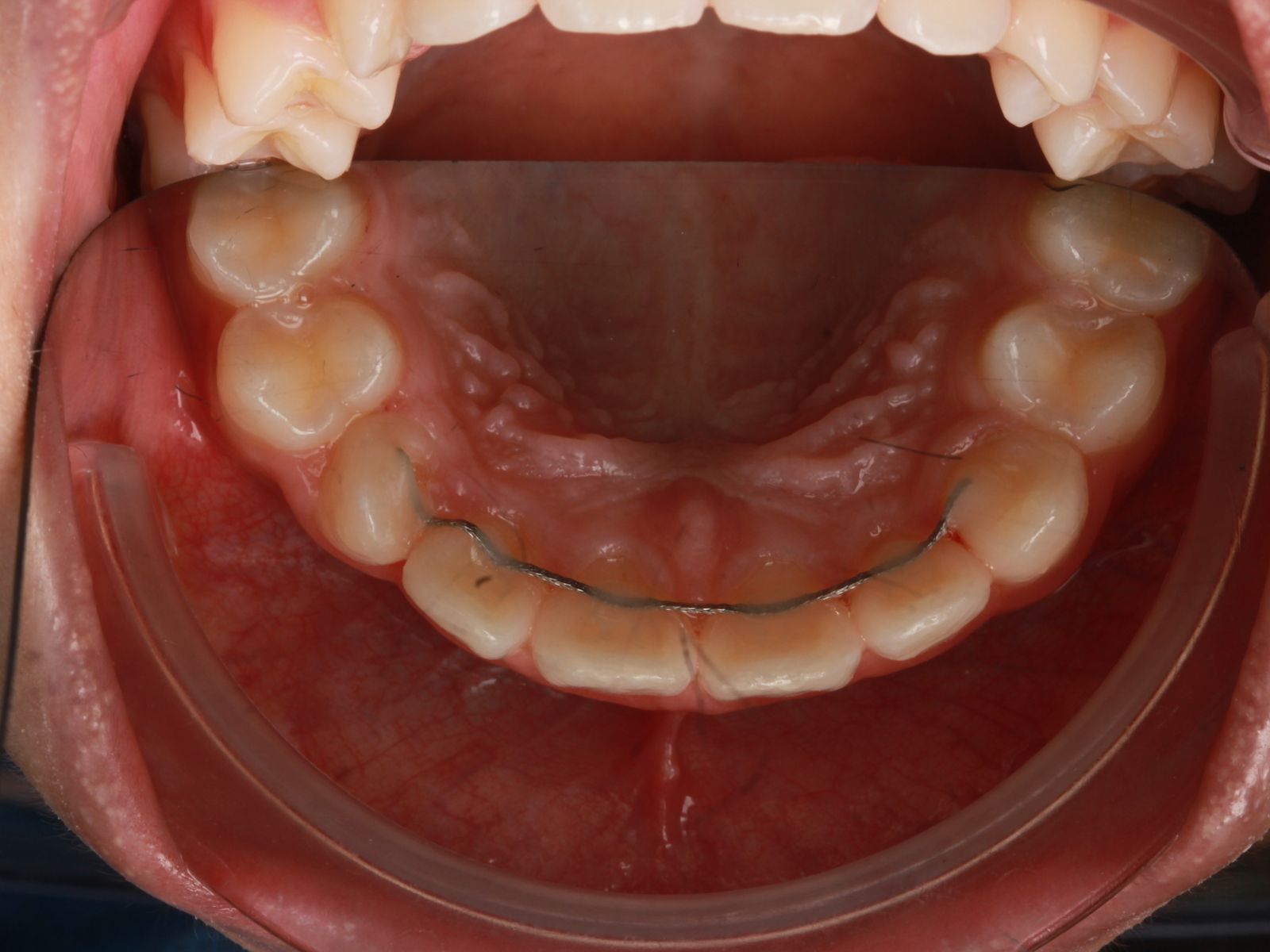
Final smile

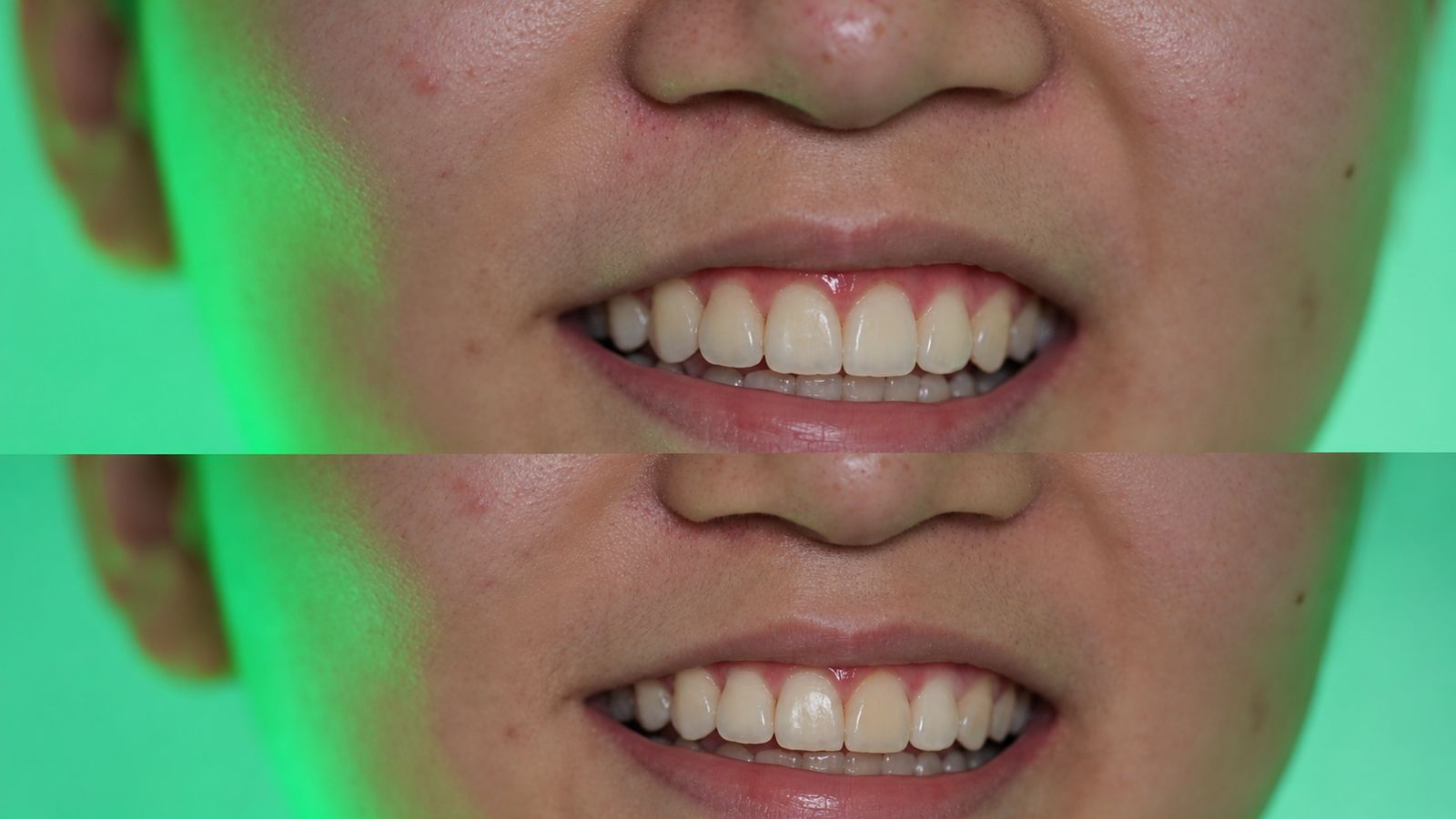
Individual results may vary.
The process
These 3D treatment simulations show how the teeth were planned to move during treatment.
Keeping the result
Fixed retainers were fitted behind the upper and lower front teeth to help maintain their new positions.
The next stage is protecting the alignment and keeping the teeth and retainers clean. Ongoing reviews and the retainer plan will help support the result as his smile continues to mature.
My approach to early orthodontic care
Parents often ask whether they should wait until all the adult teeth have come through before seeking advice.
I assess the available space, the position of the teeth and how the bite is developing. Some children benefit from treatment at this stage, while others are better monitored until the timing is right.
In this case, the prominent upper front teeth and crowding in both arches made early treatment appropriate. Our focus was to guide the teeth as they erupted, improve the bite and create a more stable foundation for his developing smile.
Why Early Treatment Matters: It’s Not Just About the Smile
When a child has prominent upper front teeth (proclined incisors), early orthodontic treatment is about much more than improving their smile. Research shows that children with an increased overjet of more than 5 mm can have more than double the risk of dental trauma, including chipped or fractured front teeth.
This is especially important between the ages of 8 and 12, when children are active, running, playing sports and sometimes falling! In Owen’s case, bringing his upper front teeth into a better position wasn’t just about creating a beautiful smile. It was also about reducing their exposure to injury.
Sometimes, early orthodontic treatment is as much about protection as it is about straight teeth.
Considering Invisalign First in Abu Dhabi?
If your child’s teeth look crowded, uneven or too far forward, an orthodontic assessment can help you understand what is happening and whether treatment is needed now.
Book Your Consultation